

In the realm of marketing, it’s not just about shouting your message from the rooftops; it’s about choosing the right rooftops. Enter the age-old showdown: “Print Marketing” vs. “Digital Marketing.” This guide is your backstage pass to figuring out how to strike the perfect balance for your business in this dynamic duel of ink and pixels.
Print vs. Digital Marketing: What’s the Fuss?
Print Marketing: Inked in Tradition
Get ready to dust off the printing press! We dive into the world of print marketing, where brochures, flyers, and business cards still hold their ground. Explore the tangible charm and timeless appeal that only print can deliver.
Digital Marketing: Pixels and Promotions
Shift gears into the digital fast lane. From social media blitzes to email campaigns, digital marketing is the cool kid on the block. Uncover the versatility and real-time impact that the digital realm brings to the marketing table.
Print vs. Digital: Finding the Right Mix for Your Business
Assessing Your Audience: Who’s Zooming Who?
Before picking sides, know your audience like your favorite playlist. We spill the beans on understanding the demographics that respond better to a crisp brochure in hand or a flashy social media post.

Alright, buckle up because we’re diving deep into the groove of understanding your audience. It’s not just about casting a wide net; it’s about hitting the right notes. In this digital age, where attention spans are shorter than a pop song, knowing your audience is like curating the perfect playlist—you want to play the tracks they’ll dance to.
Imagine this: you’re throwing a party, and you have the choice between a live jazz band and a DJ spinning the latest hits. Which one do you go for? Well, it depends on who’s on your guest list. Assessing your audience is akin to knowing whether they’re in the mood for a smooth saxophone solo or a bass drop that rattles the windows.
Now, in the realm of marketing, it’s no different. The “Who’s Zooming Who?” question is about figuring out the rhythm of your audience’s preferences. Some demographics still appreciate the tactile pleasure of flipping through a well-designed brochure. It’s like holding a vinyl record in the age of digital streaming—there’s a certain charm and nostalgia attached to it.
On the flip side, there’s a generation that lives and breathes in the digital space. They’re the ones scrolling through social media feeds faster than you can say “marketing strategy.” For them, a flashy social media post is the equivalent of a catchy tune that gets stuck in their heads.
So, how do you unravel this musical mystery? It starts with understanding the demographics that make up your audience. Are they the type who enjoys the sensory experience of flipping pages, feeling the texture of paper, and relishing the smell of fresh ink? Or are they the ones who thrive on the instant gratification of swiping, clicking, and sharing in the digital realm?
Let’s break it down further:
- Age Matters: Different age groups have different preferences. Older demographics might appreciate the traditional charm of print, while younger ones may be more responsive to digital content.
- Industry Tunes: What works for a tech-savvy audience might not strike a chord with a more conservative industry. Consider the nature of your business and align your marketing approach accordingly.
- Geographical Beats: Cultural nuances play a role too. What resonates in one region might not be as harmonious in another. Know the beats of your target regions.
- Social Rhythms: If your audience is glued to social media platforms, the digital route might be your jam. However, if they’re professionals who attend conferences and networking events, a well-crafted print brochure might be the headliner.
In essence, assessing your audience is about crafting a strategy that syncs with their vibes. It’s about delivering the content they want, in the format they prefer, and at the right time. So, before you hit the play button on your marketing campaign, make sure you’ve done your audience research. After all, in marketing, just like in music, hitting the right notes makes all the difference.
Budget Blues: Dollars and Sense
Money talks, and so does your budget. We break down the costs of print and digital marketing, helping you make informed decisions that won’t have your accountant shaking their head.
Timing is Everything: Print’s Slow Dance vs. Digital’s Quickstep
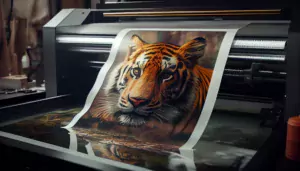
Explore the different tempos of print and digital. Need a lingering, thoughtful engagement? Print your partner. Craving instant attention? Digital’s on the dance floor ready to impress.
Let’s set the stage for this dance-off between print and digital marketing – it’s a battle of tempos, a clash of rhythms. When it comes to marketing, timing is not just everything; it’s the conductor of the entire orchestra. In this corner, we have the slow dance of print, and in the opposite corner, the quickstep of digital marketing. It’s a showdown where the choice of tempo can make or break the performance.
Print’s Slow Dance:
- Picture this: a candlelit room, a soft melody playing in the background, and your audience leisurely flipping through the pages of a well-crafted print brochure. Print marketing is the slow dance of the marketing world – it’s about building anticipation, creating an experience, and allowing the audience to savor every moment.
- Tactile Experience: Print materials offer a tangible experience. From the weight of the paper to the texture of the ink, every detail contributes to a sensory engagement that digital struggles to replicate.
- Lingering Presence: Print has a more lasting presence. A brochure on a desk, a well-designed business card in a wallet – these physical artifacts stick around, offering a subtle reminder long after the initial encounter.
- Thoughtful Engagement: The slow dance is about thoughtful engagement. It’s the difference between a quick scroll and a deliberate perusal, allowing the audience to absorb the content at their own pace.
Digital’s Quickstep:
Now, imagine a vibrant dance floor, pulsating with energy, where a digital marketing campaign grabs attention in the blink of an eye. Digital marketing is the quick-step – it’s dynamic, fast-paced, and designed for an audience that’s always on the move.
- Instant Gratification: Digital marketing thrives on instant gratification. With a click and a swipe, your audience is instantly connected. It caters to the impatience of the modern consumer who wants information at their fingertips.
- Real-time Interaction: The quickstep allows for real-time interaction. Social media comments, and instant messaging – digital channels provide a platform for immediate engagement and feedback.
- Wider Reach: With the speed of digital, your message can reach a broader audience in a shorter span. The viral potential of a compelling digital campaign can propel your brand into the spotlight in record time.
Finding the Right Tempo:
So, which dance should your business lead? It depends on the rhythm your audience follows. If you’re targeting a demographic that values a thoughtful, unhurried experience, the slow dance of print might be the perfect partner. On the flip side, if your audience is in sync with the fast-paced, dynamic beat of the digital world, then the quickstep is the way to go.
Consider the nature of your message, the preferences of your audience, and the goals of your campaign. Sometimes, a blend of both tempos – a choreographed mix of print and digital – can create a marketing performance that resonates across diverse audiences.
In conclusion, whether you choose the slow dance of print or the quickstep of digital, remember that timing is the secret ingredient. It’s about knowing when to lead, when to follow, and when to synchronize the two for a marketing dance that leaves a lasting impression on your audience. So, cue the music, set the tempo, and let your marketing campaign hit all the right moves.
FAQs About Print vs. Digital Marketing
Can Print Marketing Really Compete in the Digital Age?
Alright, let’s dive into the myth-busting realm and tackle the burning question: Can Print Marketing really compete in the Digital Age? Spoiler alert: not only can it compete, but it’s also thriving, strutting its stuff, and holding its own in the digital dance.
The Myth: Print Marketing is an Ancient Relic
There’s a pervasive belief that in the era of tweets, likes, and viral memes, print marketing has become as outdated as a flip phone. The assumption is that everyone’s attention is firmly glued to screens, and the mere idea of print materials seems like a blast from the past – a relic in a museum of digital wonders.
The Reality: Print is Alive and Thriving
Contrary to the myth, print marketing is far from being an ancient relic gathering dust. It’s more like a timeless classic that refuses to go out of style. Here’s why:
- Tactile Appeal: In a world dominated by screens, the tactile appeal of print materials stands out. Whether it’s a beautifully designed brochure, a high-quality business card, or a well-crafted flyer, the physicality of print creates a unique and memorable experience.
- Nostalgia and Authenticity: Print materials evoke a sense of nostalgia and authenticity. In an age where everything seems fleeting and digital content can disappear with a swipe, print offers a lasting and genuine connection.
- Less Digital Noise: With inboxes flooded and social media feeds on constant refresh, print marketing stands out by providing a break from the digital noise. A well-designed print piece has the potential to capture attention without the distractions of notifications and pop-ups.
- Targeted Impact: Print allows for targeted, local impact. A strategically placed print ad in a community newspaper or a well-designed direct mail campaign can resonate with specific audiences in ways that digital ads might struggle to achieve.
Debunking the Myth: Print vs. Digital Harmony
It’s not about print versus digital; it’s about harmonizing the two for a symphony of marketing success. Print marketing brings its unique strengths to the stage, and when paired with digital strategies, it creates a powerful and comprehensive marketing mix.
Instead of viewing them as adversaries, businesses are increasingly recognizing that print and digital marketing can complement each other. For example, a print piece may drive customers to a website, where they can engage with interactive content or make online purchases.
Conclusion: Print’s Renaissance in the Digital Era
So, to answer the question: Can Print Marketing really compete in the Digital Age? Absolutely. It’s not a matter of one eclipsing the other; it’s about understanding the strengths of each and strategically integrating them for maximum impact.
In the marketing symphony, print is not an ancient relic; it’s experiencing a renaissance, proving that in a world dominated by screens, the touch of ink on paper can still leave a lasting impression. It’s not about print surviving; it’s about print thriving in the digital age.
Print Vs Digital Marketing: What’s the Deal with ROI?

Delve into the nitty-gritty of return on investment. We dissect how both print and digital marketing measure up when it comes to delivering the bang for your buck.
Alright, let’s roll up our sleeves and dive into the nitty-gritty of return on investment (ROI) – that elusive metric that every marketer wants to ace. We’re not just talking about the return on investment; we’re dissecting it, examining it under the microscope, and figuring out how both print and digital marketing measure up when it comes to delivering the bang for your buck.
The ROI Conundrum: Print vs. Digital
Print Marketing:
- Tangible Touchpoints: One of the unique aspects of print is its tangible nature. Whether it’s a direct mail campaign, a brochure, or a billboard, print materials create physical touchpoints with the audience. This tangible engagement can lead to a more memorable and lasting impression.
- Response Tracking Challenges: The challenge with print has traditionally been tracking responses. Unlike digital, where clicks, views, and conversions are easily measurable, print often relies on indirect indicators like coupon redemptions or customer surveys, making it a bit trickier to quantify immediate ROI.
Digital Marketing:
- Data, Data, Data: Digital marketing is the king of data. Every click, every view, and every interaction is tracked, analyzed, and converted into actionable insights. This wealth of data allows for precise measurement of ROI, making it easier to gauge the effectiveness of a campaign.
- Instantaneous Metrics: The beauty of digital is its real-time feedback. You launch a campaign, and within hours, you can see how many people engaged, clicked, converted, or bounced. This instantaneous feedback loop allows for quick adjustments and optimizations for maximum ROI.
Measuring ROI: The Showdown
Print Marketing:
- Long-Term Impact: Print often shines when it comes to long-term impact. A well-designed print piece can linger in the minds of the audience, influencing purchasing decisions down the line. While the immediate ROI might be harder to track, the long-term benefits can be substantial.
- Brand Building: Beyond immediate sales, print contributes to brand building. A carefully crafted print campaign enhances brand perception, and the positive effects may not be immediately reflected in ROI metrics but can manifest over time.
Digital Marketing:
- Precision and Real-time Adjustments: Digital marketing excels in precision. The ability to measure every interaction allows for precise ROI calculations. Additionally, the real-time nature of digital platforms enables marketers to make quick adjustments, optimizing campaigns on the fly for better returns.
- Direct Attribution: Digital marketing offers direct attribution. You can trace a click on an ad to a specific conversion, providing clarity on what strategies are driving the most significant ROI. This level of attribution is a game-changer for marketers looking for concrete, immediate results.
Striking the Balance for Maximum ROI:
While each has its strengths and challenges, the secret sauce lies in striking the right balance. Integrating print and digital marketing creates a holistic approach that capitalizes on the strengths of both mediums. For example, a print campaign may drive initial brand awareness, while a targeted digital follow-up captures and measures immediate engagement and conversions.
Conclusion: ROI is an Orchestra, Not a Solo Act
In the grand scheme of marketing, ROI is not a solo act; it’s an orchestra. Print and digital marketing instruments each contribute unique melodies, and the magic happens when they play together. As businesses navigate the ROI landscape, understanding the nuances of both print and digital marketing is key. It’s not a matter of one being better than the other; it’s about leveraging their strengths in harmony to compose a symphony of marketing success. In the end, the ROI story is not just about the numbers; it’s about the lasting impact and resonance your brand creates in the hearts and minds of your audience.
Are There Any Green Alternatives?
Join the eco-conscious conversation. We discuss the environmental impact of both print and digital marketing, offering insights into greener alternatives.
Let’s take a stroll down the eco-conscious path and explore the question: Are There Any Green Alternatives? We’re not just talking about the color of leaves; we’re delving into the environmental impact of both print and digital marketing, uncovering the sustainability story, and offering insights into greener alternatives.
The Environmental Dialogue: Print vs. Digital Marketing
Print Marketing:
Paper, Ink, and Beyond: Print marketing has long been associated with paper consumption and ink usage. While the paper industry has made strides in sustainable practices, there’s still a conversation around the environmental impact of resource-intensive paper production and the use of certain inks.
Waste and Recycling: The challenge with print lies in the potential for waste. Unused brochures, discarded direct mailers – they contribute to environmental concerns. However, the industry is adapting with increased emphasis on recycled materials, eco-friendly inks, and responsible waste management.
Digital Marketing:
Energy Consumption: The digital realm isn’t without its environmental footprint. Data centers, where the magic of digital marketing happens, consume significant amounts of energy. The energy required for server farms and the constant electricity demand for digital devices are factors that contribute to the digital carbon footprint.
E-Waste: The rapid turnover of digital devices contributes to the growing problem of electronic waste (e-waste). Constant upgrades and replacements mean a steady stream of discarded devices, posing challenges in terms of responsible disposal and recycling.
Greener Alternatives: Finding the Middle Ground
- Sustainable Printing Practices: The print industry is evolving with sustainable printing practices. This includes using recycled paper, vegetable-based inks, and adopting eco-friendly printing technologies. Choosing print materials wisely and opting for responsible printers can significantly reduce the environmental impact.
- Digital Efficiency: On the digital front, optimizing energy-efficient servers, adopting renewable energy sources for data centers, and promoting the longevity of digital devices can contribute to a greener digital landscape. Additionally, encouraging users to recycle old devices responsibly can mitigate the impact of e-waste.
- Hybrid Approaches: Some businesses are embracing hybrid approaches that combine the strengths of both print and digital marketing. For instance, incorporating QR codes or augmented reality in print materials can bridge the gap between physical and digital, offering interactive experiences without excessive resource consumption.
Joining the Eco-Conscious Conversation on Print Vs Digital Marketing
Educating Consumers: Both print and digital marketing can play a role in educating consumers about environmental impact. Print campaigns can highlight the use of sustainable materials, while digital campaigns can emphasize energy-efficient practices.
Transparency in Practices: Companies are increasingly being scrutinized for their environmental practices. Being transparent about the steps taken to minimize environmental impact – whether in print or digital marketing – builds trust with an eco-conscious audience.
Conclusion: Balancing Act for a Greener Future
The question of green alternatives is not about pointing fingers but finding a balance. Whether it’s the rustle of recycled paper or the hum of energy-efficient servers, businesses can make choices that align with eco-conscious values.
Ultimately, it’s about recognizing the environmental impact of marketing choices, understanding the evolving landscape of sustainable practices, and embracing greener alternatives wherever possible. By weaving sustainability into the fabric of marketing strategies, businesses can not only reduce their ecological footprint but also resonate with an increasingly eco-conscious consumer base.
It’s not just a conversation about green alternatives; it’s a commitment to a greener future, where both print and digital marketing coexist harmoniously in an environmentally responsible dance
Print vs. Digital: Finding Your Winning Formula; Blending the Best of Both Worlds
Why choose when you can have it all? Discover how some businesses are finding success in a hybrid approach that combines the tactile satisfaction of print with the dynamic reach of digital.
Adapting to Trends: Staying Ahead of the Curve
In the ever-evolving landscape of marketing, staying stagnant is a no-go. Learn how to adapt your strategy to leverage the latest trends in both print and digital marketing.
Conclusion:
As we wrap up our journey through the clash of the titans, remember that the battle between “Print Marketing” and “Digital Marketing” isn’t about declaring a winner. It’s about finding a harmony that resonates with your audience, fits your budget, and aligns with your brand’s personality.
So, whether you’re riding the nostalgia train with print or surfing the digital wave, make sure it’s the right mix that puts your business in the spotlight. After all, in the marketing world, it’s not about choosing sides; it’s about choosing success. Talk to our team today for your marketing needs